
-
Building Resilience When Workplace AI Systems Become Unavailable with Charles Spinelli
Understanding How Teams Can Keep Working When AI Systems Become Unavailable with Charles Spinelli Many teams now rely on AI for drafting, summarizing, organizing information, and supporting routine decisions. When those tools are available, employees may come to treat them as a normal part of daily work. Charles Spinelli highlights that the convenience hides a…
-

Charles Spinelli on What Happens When Employees Stop Asking Each Othe
Exploring How AI Changes the Way Employees Ask for Help with Charles Spinelli AI gives employees immediate access to support for tasks that once required a colleague, manager, or subject matter expert. A worker can now ask for a summary, draft a response, sort information, or test an idea without waiting for another person to…
-
The Challenge of Knowing When AI Should Stay Out of the Workflow
How to Recognize Tasks That Are Better Left Outside AI Workflows As AI tools become more common in workplace systems, the pressure to apply them broadly can grow. Tasks that involve writing, analysis, scheduling, or document review may appear well-suited to automation at first glance. Charles Spinelli understands that broader access to AI does not…
-

Charles Spinelli on When Model Updates Change Workplace Results
Charles Spinelli on Why an AI Update Can Quietly Change Your Team’s Output AI tools look stable from one day to the next, especially when employees keep using the same prompts, instructions, and review steps. Yet the underlying systems can change in ways that are not obvious during routine work. Charles Spinelli recognizes that a…
-
Charles Spinelli on Planning for Exceptions in AI-Driven Workflows
Charles Spinelli on Preparing Employees for Exceptions in Automated Work Automated workflows are often built around patterns. When information fits expected conditions, artificial intelligence can classify requests, recommend actions, or move work through established steps with limited interruption. The harder test comes when a situation does not fit the pattern. Charles Spinelli recognizes that organizations…
-

When Too Many AI Tools Complicate Everyday Work
How AI Tool Sprawl Can Add Friction to Workplace Processes Organizations often introduce artificial intelligence tools one need at a time. One platform may support writing, another analyzes data, and another summarizes meetings or manages information. Each tool can solve a specific problem, but the collection can become difficult to manage when systems do not…
-

Charles Spinelli on the Problem of Outdated Context in AI-Assisted Work
Charles Spinelli on Recognizing When AI Is Working From Old Information A polished AI response can create a strong impression of accuracy. The language may be clear, the recommendation may appear logical, and the supporting explanation may sound complete. Yet the quality of an AI-assisted decision depends partly on whether the information behind it still…
-
Charles Spinelli on Designing AI Policies Employees Can Actually Use
Charles Spinelli on Making AI Policies Practical for Everyday Work Artificial intelligence policies have become a standard part of workplace governance as organizations expand the use of AI across daily operations. These documents often define expectations around acceptable use, data protection, and oversight. While broad policies establish an important foundation, employees still need guidance that…
-

Charles Spinelli on the Hidden Training Curve Behind AI-Ready Teams
Charles Spinelli on Preparing Employees for Practical AI Adoption Artificial intelligence has become part of everyday work across many industries. Organizations continue to introduce new tools that support research, planning, communication, and operational tasks. While access to these technologies has expanded rapidly, successful adoption depends on more than simply making AI available. The hidden training…
-
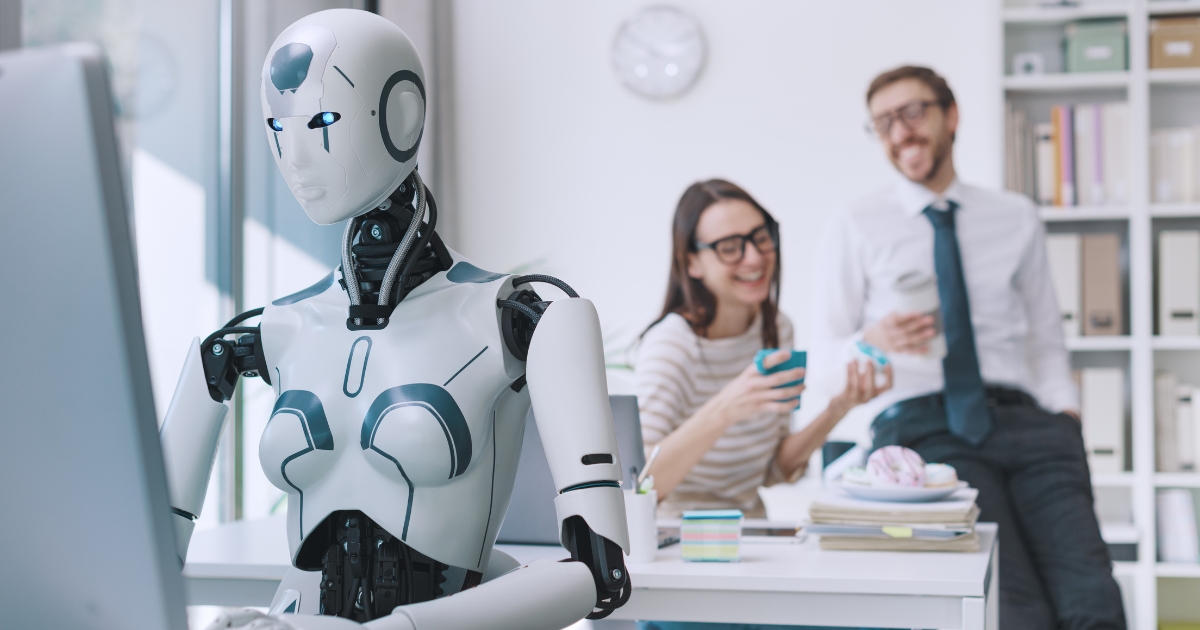
Charles Spinelli on When AI Changes the Meaning of Workplace Expertise
Charles Spinelli on How AI Is Reshaping Workplace Expertise Artificial intelligence is changing how work is completed across many professions. Tasks that once depended on manual analysis, document preparation, or information retrieval can now be completed with varying levels of automation. As these capabilities expand, organizations are beginning to reconsider what expertise looks like in the modern workplace. Charles…