
-

Charles Spinelli Explains How AI Access Can Change Workplace Influence
Charles Spinelli on AI Adoption and the Uneven Distribution of Workplace Power AI adoption does not affect every employee in the same way. Some teams receive advanced tools, training, and direct input into how systems are designed. Others interact with AI mainly through rules, dashboards, or automated decisions created elsewhere. Charles Spinelli recognizes that this difference…
-
The New Accountability Gap in AI-Assisted Workplaces
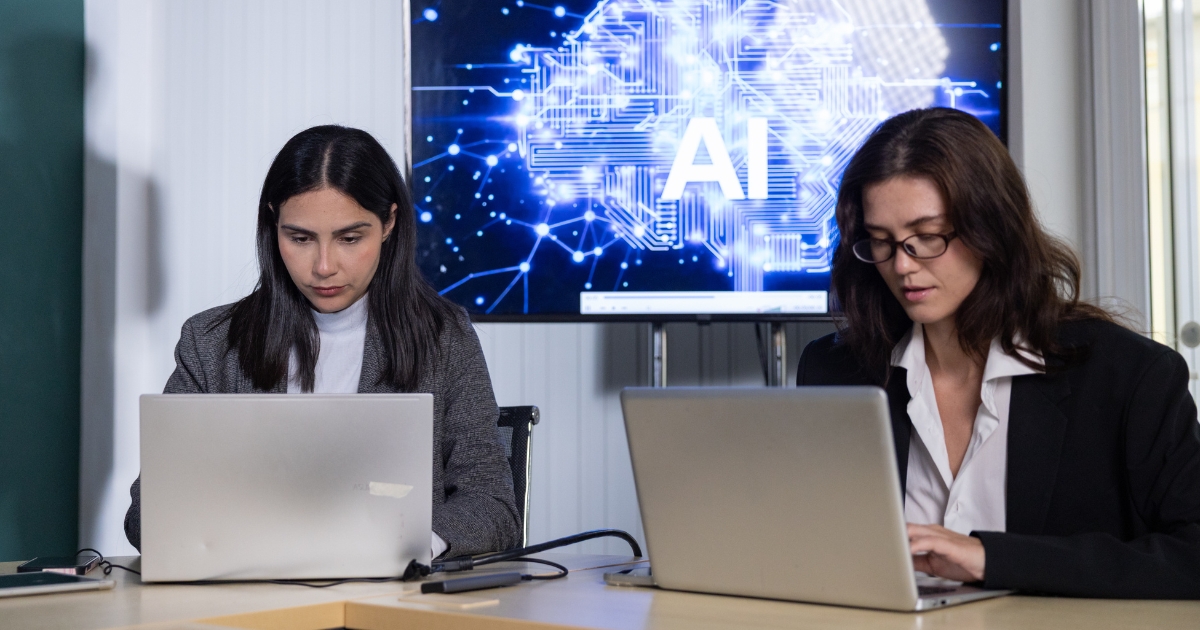
Responsibility in AI-Assisted Decision-Making Organizations increasingly rely on artificial intelligence to support decisions involving hiring, performance management, scheduling, and workforce planning. These systems often provide recommendations that influence workplace actions without serving as the final decision-maker. While this structure appears straightforward, it creates a challenge that many organizations are still learning to address. The…
-

AI Transparency Fatigue in the Workplace with Charles Spinelli
Charles Spinelli on Making AI Explanations Useful at Work Transparency is often treated as the answer to concerns about artificial intelligence in the workplace. When employees question automated recommendations, organizations may respond by providing more detail on data sources, model logic, scoring methods, and decision pathways. The intention is reasonable. People are more likely…
-

Charles Spinelli on Balancing Efficiency Gains with Employee Well-Being in AI Adoption
Charles Spinelli on Managing Workplace Balance in AI Adoption Artificial intelligence now supports workflow management, performance tracking, and operational planning across many organizations. These systems are often introduced to improve efficiency, reduce delays, and streamline decision-making. Balancing efficiency gains with employee well-being in AI adoption becomes increasingly important as organizations expand the role of automation in daily operations. Charles…
-
The Psychological Impact of Working Alongside AI Systems
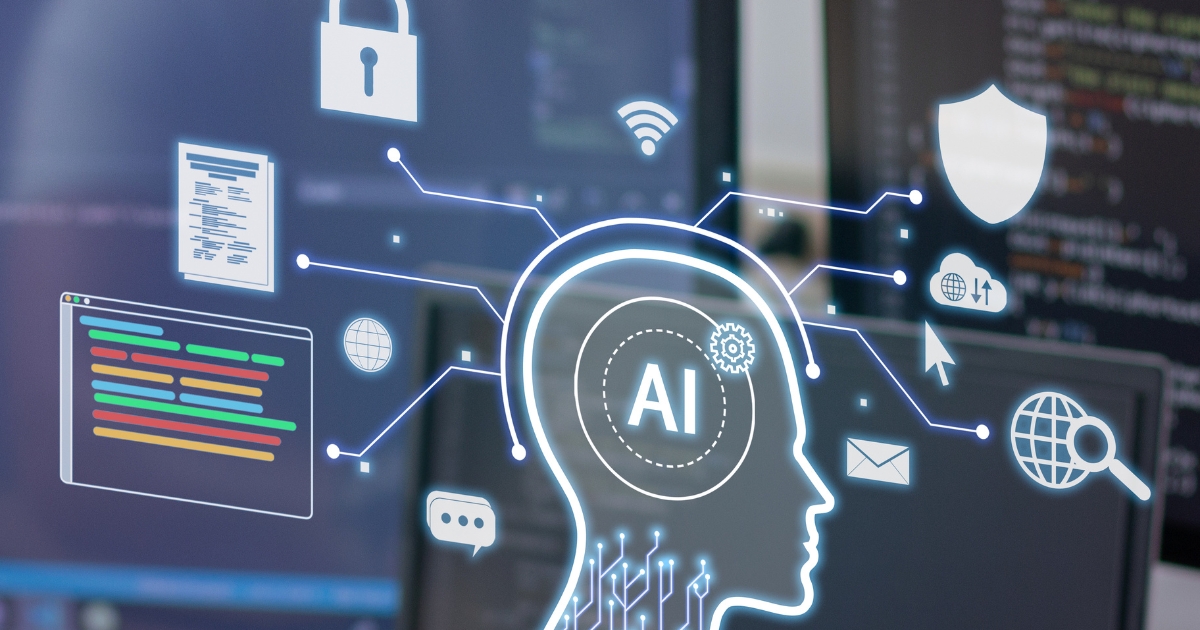
Understanding the Human Experience in AI-Supported Workplaces Artificial intelligence now plays a role in daily workplace activities, from task management and performance tracking to decision support systems. Employees interact with these tools regularly, often relying on them to guide priorities and evaluate outcomes. The psychological impact of working alongside AI systems becomes an important consideration as these interactions shape…
-
Charles Spinelli on Designing AI Systems That Preserve Human Agency
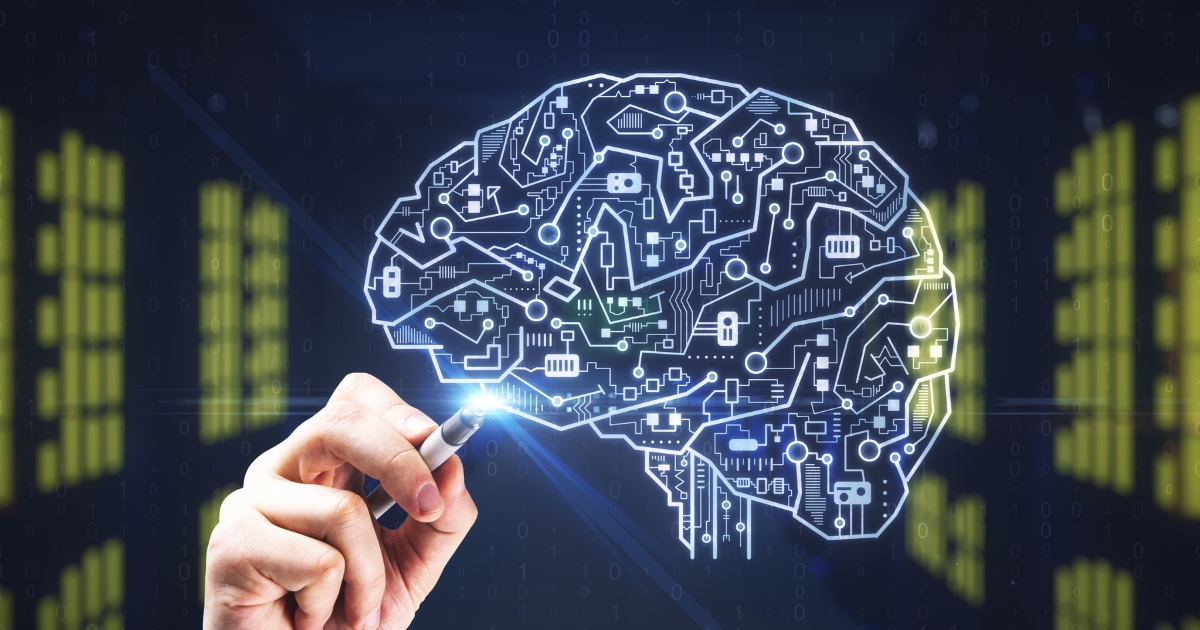
Maintaining Human Decision-Making in AI-Supported Systems with Charles Spinelli Artificial intelligence now supports a wide range of workplace decisions, from task allocation to performance evaluation and operational planning. These systems often guide actions through recommendations, classifications, and predictive insights. As organizations rely more on automated tools, questions arise about how employees remain engaged in decision-making processes.…
-

Charles Spinelli on Balancing Consistency and Flexibility in AI-Driven Workplaces
Charles Spinelli on The Risk of Over-standardization in AI-Driven Organizations Artificial intelligence now supports decision-making across hiring, performance management, and operational planning in many organizations. These systems often promote consistency by applying the same criteria across tasks and teams. The risk of over-standardization in AI-driven organizations becomes a concern when this consistency begins to shape how work…
-

The Illusion of Objectivity in Algorithmic Management
Rethinking the Illusion of Objectivity in Algorithmic Management Data-driven systems now guide scheduling, performance evaluation, and productivity tracking in many workplaces. These tools often present outputs as neutral, grounded in measurable inputs and consistent logic. The Illusion of Objectivity in Algorithmic Management emerges when systems that appear impartial still reflect underlying assumptions shaped during their design.…
-

Charles Spinelli on Defining Consent in AI-Driven Work Environments
Charles Spinelli on Employee Consent in the Age of Workplace AI Artificial intelligence now supports task monitoring, workflow optimization, and performance tracking across many workplaces. These systems often operate continuously, collecting data and generating insights that shape managerial decisions. Employee Consent in the Age of Workplace AI becomes a key issue when participation in…
-

The Power Asymmetry in Predictive Workforce Analytics with Charles Spinelli
Charles Spinelli on When Predictive Insights Belong Only to Management Predictive analytics now play a growing role in workforce management. Algorithms analyze attendance patterns, productivity metrics, and communication data to forecast performance trends or turnover risk. These tools promise foresight in environments where planning and retention carry strategic importance. Charles Spinelli recognizes that predictive…